Joshua
Hough's
Profile
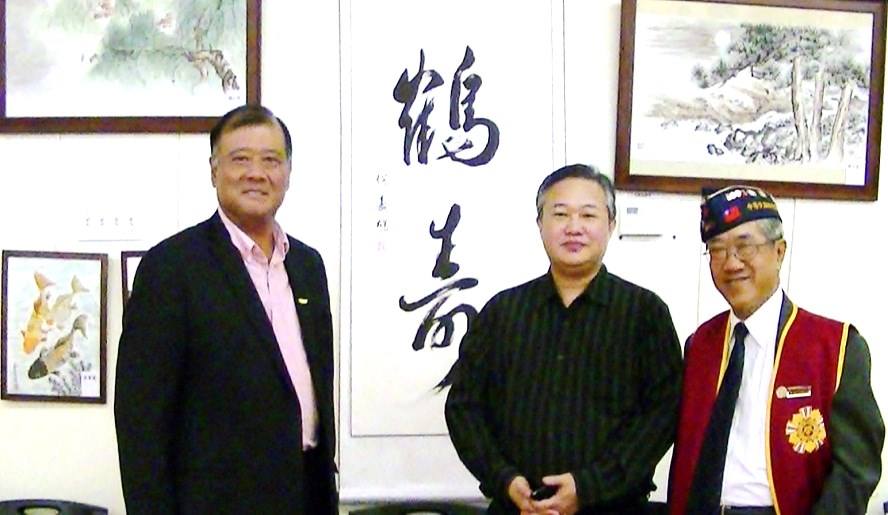
The author of this website is currently living in Dallas, Texas, United States. My professions include public accounting, taxation, business ventures, and art promotions.
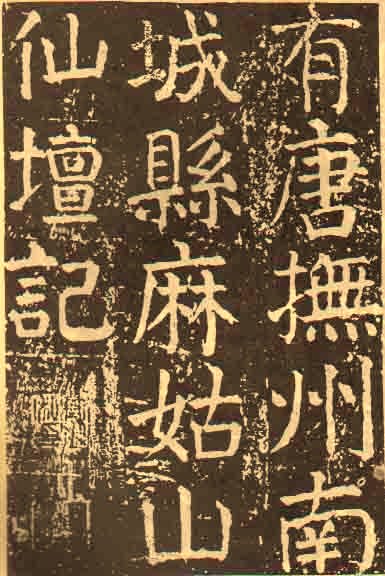
I have been practicing Chinese calligraphy since my youth for more than 35 years. My first calligraphy teacher Mr. Lin Xiang-Ji in Kaohsiung, Taiwan taught me General Yen Jen-Ching's Kai Style. Later when I was between the ages of 17 and 19, I met two teachers who further inspired me and helped me to realize that Chinese calligraphy is a deep, profound, and broad art.
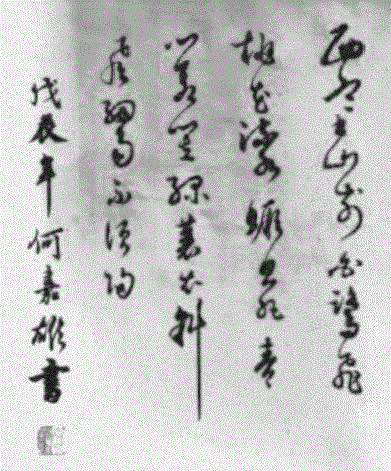
Poem in Tsao Style at 19 |
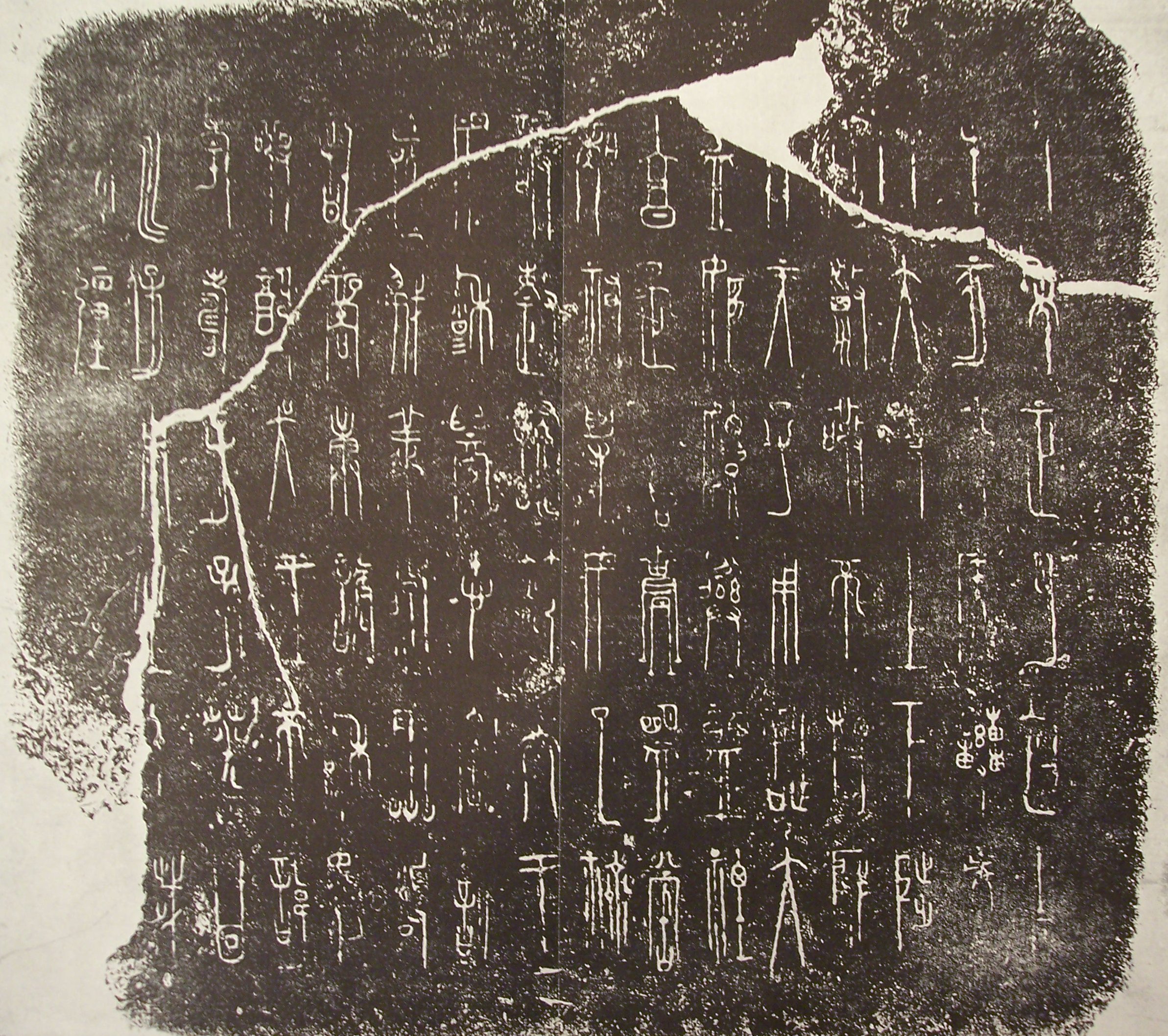
In high school, my Chinese teacher, Mr. Tzu Chengdu (1946.11.3-2015.8.25), was very proficient in all five major calligraphy styles, ranging from the ancient Jin Wen (Bronze Inscriptions, circa 900 BC) to the most recent styles. His Hsin Style is very elegant and looks like drifting clouds and flowing water. He is also a knowledgeable linguist who studies the origins and evolutions of Chinese characters. This helps him to master the art with deep fundamental basis. Because of Mr. Tzu's influence, I began to study Chinese calligraphy styles, history, and theories extensively and thoroughly while living in his apartment (calligraphy studio) where he would come to teach children calligraphy during weekends. Master Tzu is like a father and a master to me not only in calligraphy but also in many ways of life.
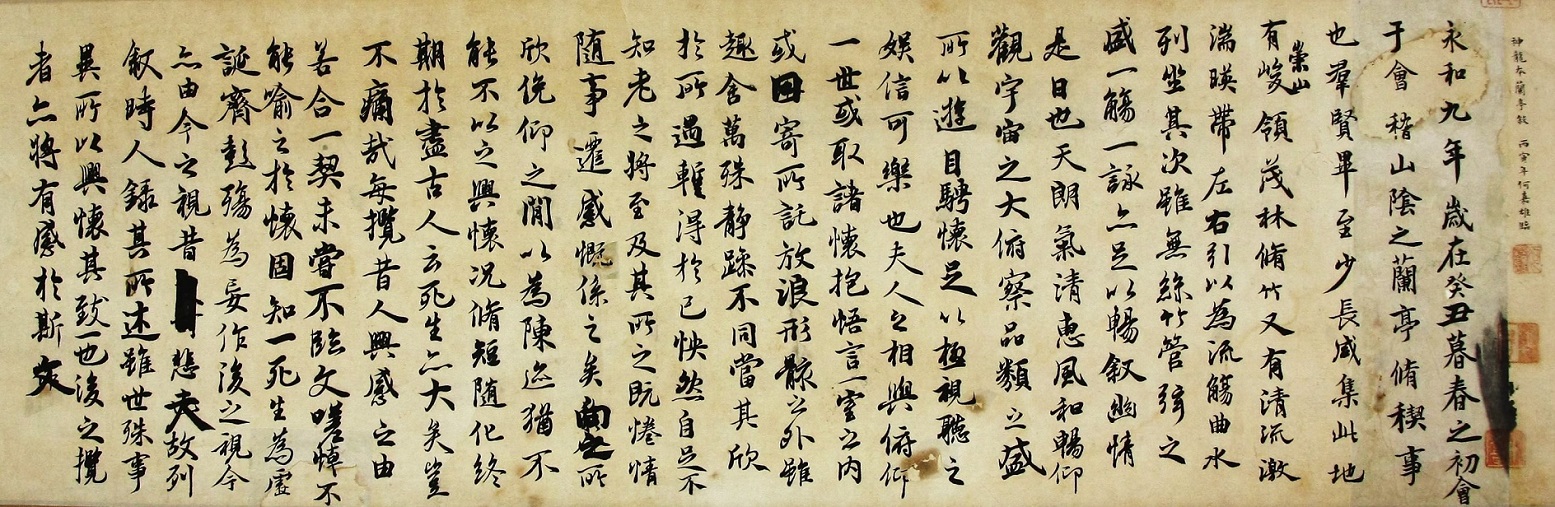
My emulation of Wang Xizhi's Lan Ting Prologue at age 17
After graduation from high school, a friend referred me to a Taoist hermit, Mr. Chiang Wuwei, who was an in-room student (also called trusted disciple) of the late calligrapher, painter and poet Pu Hsin-Yu ( 溥心畬 ), aka Pu Ru or Pu Xinyu. A trusted disciple sometimes does not need to proclaim to be more closely associated with the Master than other students.
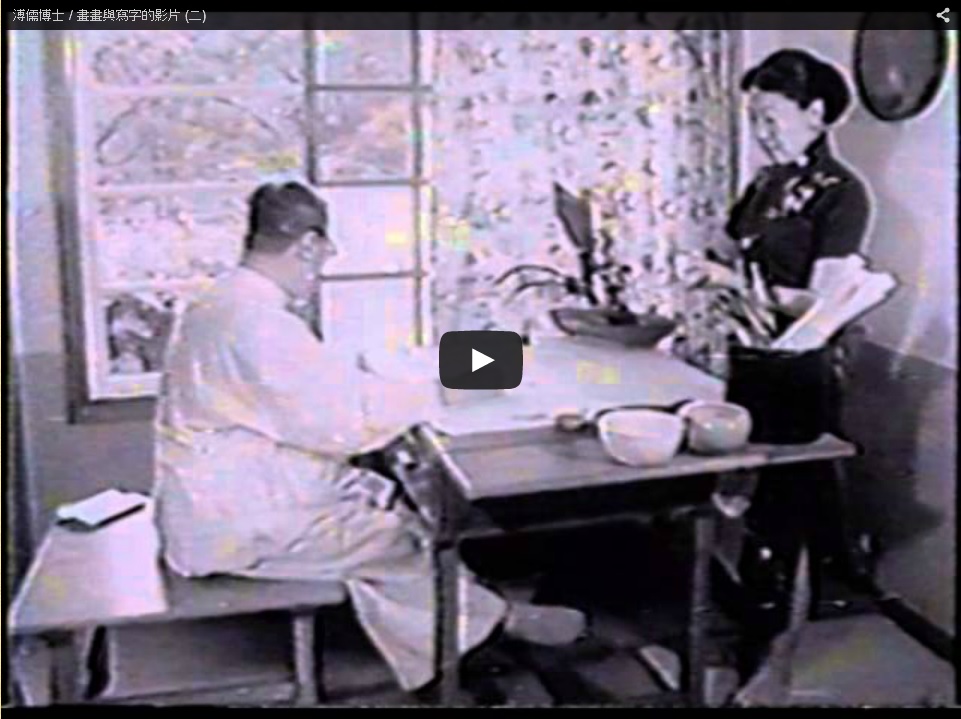
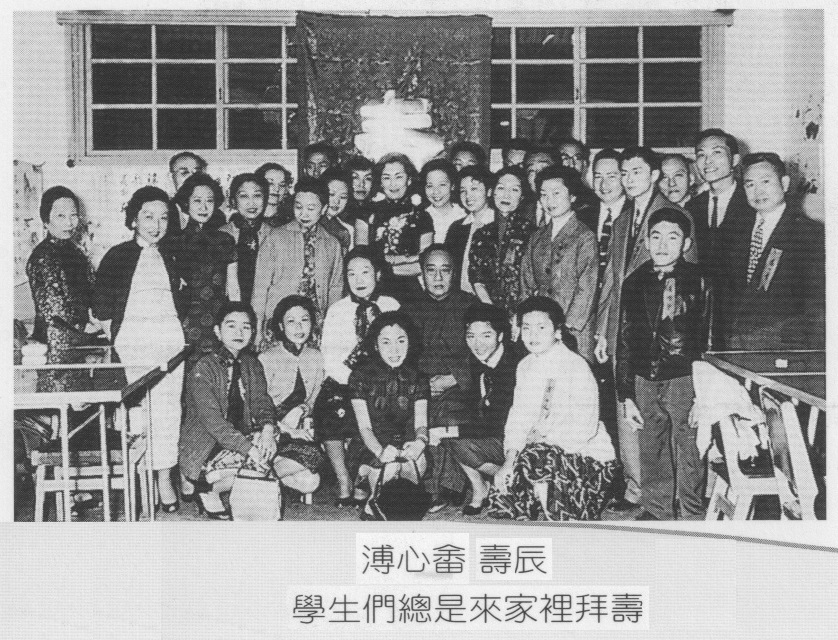
Pu Hsin-Yu celebrating his birthday with students at home
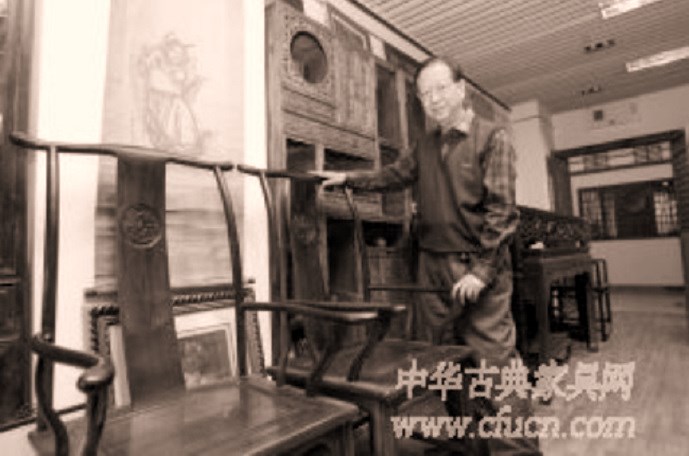
My teacher Mr. Chiang Wu-Wei
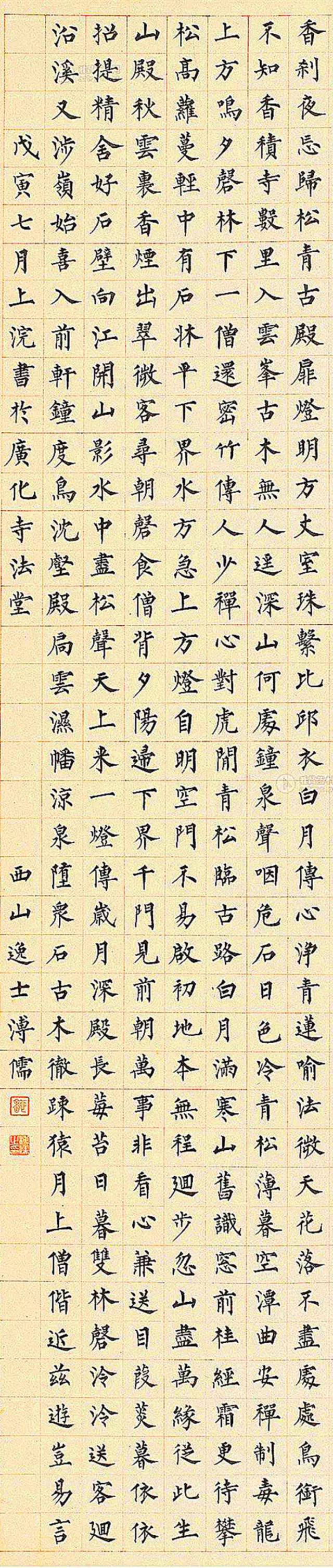
Pu Hsin-Yu was one of the renowned artists from the Imperial Family of the Ching Dynasty. He was a cousin of the last emperor of China, Pu Yi. Some critics even say Pu Hsin-Yu's calligraphy in Kai Style was the number one during the last 500 years of Chinese history and his painting was the best of the Northern School of Chinese Painting at his time.
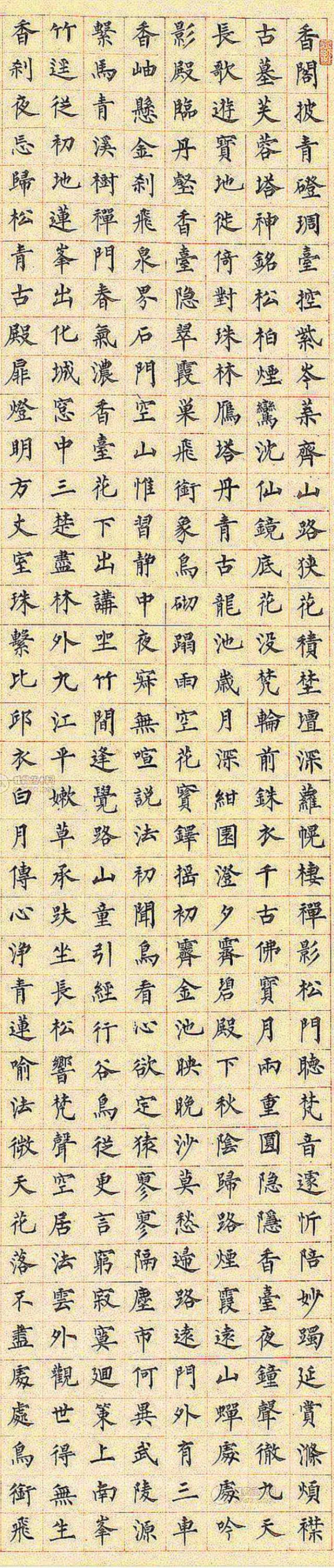
Page 1 Page 2 Pu Hsin-Yu's calligraphy which was auctioned for 3,696,000 RMB in Shanghai in 2014
After Mr. Chiang examined my work, he did not focus on the technical principles of Chinese calligraphy. Instead, he gave me instructions on how to transmit mind power to a calligraphy work through the tip of a brush. I have never read any calligraphy technique or theory or heard from anybody about Mr. Chiang's way of mind focus so far. As a connoisseur and collector of arts and a mathematician, he was very, very insightful about humanity, arts, and sciences but not interested in achieving fame and recognition. When he was asked to give comments about contemporary painters or calligraphers, he always said that we knew the answers in our heart. His philosophical and spiritual insights had helped me in learning and practicing Chinese calligraphy and painting. I was also lucky to witness some of his collections of masterpieces which are rarely seen in public or printed in albums. I feel grateful that Mr. Chiang had shown me how to appreciate and create artwork with Chinese brushes with spiritual depths of the mind and consonance and harmony. Had I not met him, I probably would stay in form more than in substance for a longer time.
Mr. Chiang also encouraged me to learn martial arts (like Taiqiquan) and related arts and subjects to strengthen my brushwork power. After I came to the United States and had public demonstrations of Chinese calligraphy, I had opportunities to learn Qigong meditation and Chinese internal martial arts to perfect my calligraphy techniques. I thank my masters and those whose methodology, philosophy, and enlightenment that have enriched me in the journey of art.
In order to promote the art of Chinese calligraphy, painting, and seals, I started to build this website since December, 2004. The website is built as an educational resource for people who want to appreciate, learn, and practice the unique Chinese brush arts. The website is updated frequently and focuses on the knowledge resources and guidelines of brush techniques. However, due to my schedules of public accounting and federal taxation, improvements for added contents and updates in both English and Chinese are needed to provide good resources to learn Chinese calligraphy and painting. Your suggestions and corrections are always appreciated.
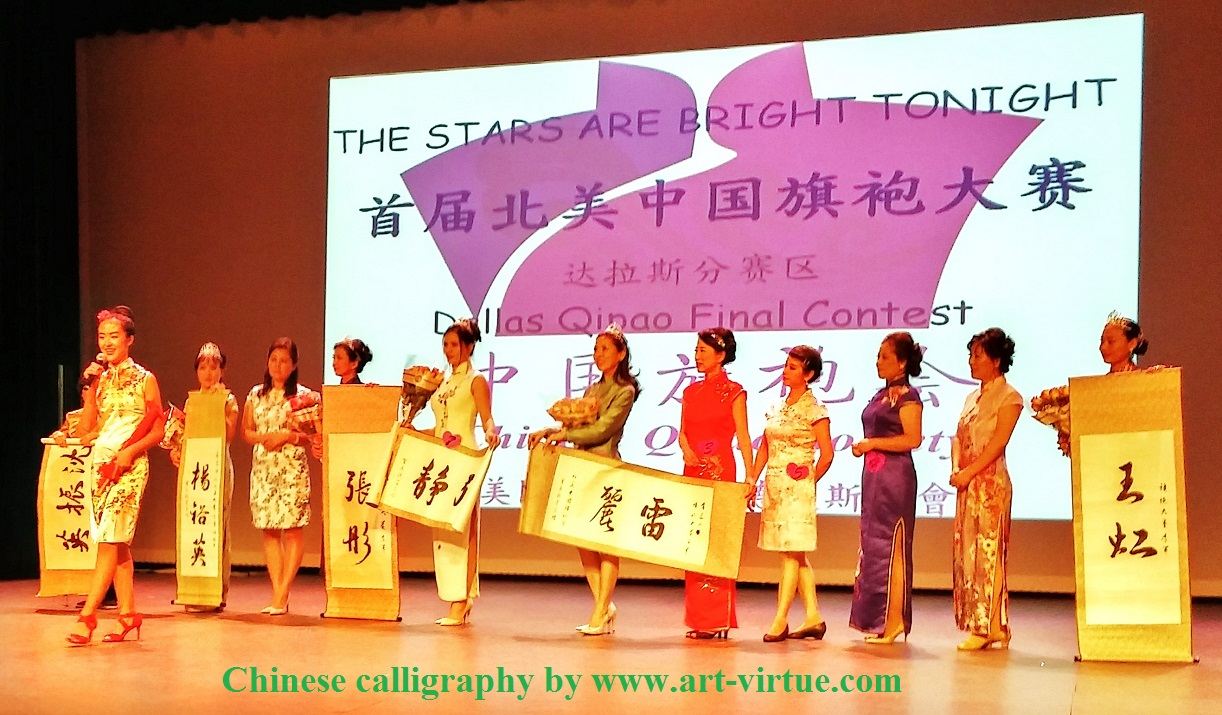
Joshua's profile and (or) calligraphy are also featured in the following books:
Get a Hobby! 101 Diversions for Everyday Lifestyle, HarperCollins Publishers, written by Tina Barseghian (only profile, no calligraphy)
ZhongHuaSong (中華頌, Tribute of China) published by Ministry of Culture of the People's Republic of China
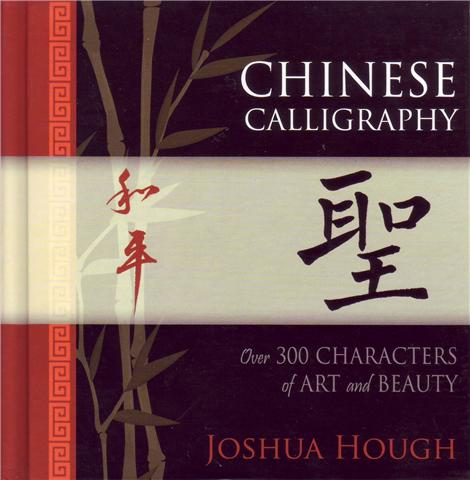
Chinese Calligraphy (Over 300 Characters of Art and Beauty)[Hardcover] published in 2009, available on Amazon
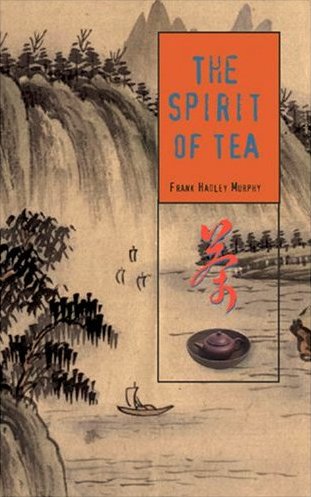
The
Spirit of Tea, written by
Frank Murphy
You may contact me at the following e-mails: (I seldom read emails from my art.virtue@gmail and art.virtue@yahoo accounts.)
For ordering calligraphy and painting artworks & all general inquiries: ArtsAndVirtue@MSN.com
For events: www.art-virtue.com/demo/ and email ArtsAndVirtue@MSN.com
For friendships, viewing pictures, and knowing my art friends: Facebook www.facebook.com/chinese.calligraphy.3
For contacts and viewing videos on YouTube: www.youtube.com/user/artvirtue
For businesses & investments such as finance, accounting, real estate and other businesses not related to arts:
Joshua Hough served as the President of Dallas Chinese Calligraphy & Painting Association (aka Dallas Chinese Art Association) from January 31, 2015 to April 15, 2018. If you would like to join our association, you may contact us from there.