Basically, there
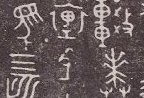
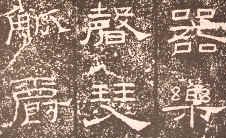
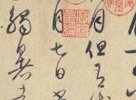
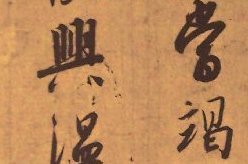
are five major styles in Chinese calligraphy - Zuan, Li, Tsao, Hsin,
and Kai. Each style has gone through changes and evolutions throughout
Chinese history in terms of their character form and artistic styles and structures. (Chinese
characters are not symbols, alphabets, or letters. They are composed of strokes,
section headers, and radicals.) At first, each
style was created for writing rather than for art.
Chinese calligraphy masters and practitioners in each dynasty enriched the
styles and structures of the characters with their insight, emotion, and artistic
creativity.
Kai
Shu, Regular Script, Block Script,
Standard Script
Kǎishū
The
styles are presented generally in the orders of their historical developments,
i.e., from the earliest
to the more recent.
The
WebPages introduce the five major styles of Chinese characters in
terms of their historical background, artistic development, and principles and guidelines for
practicing calligraphy. Video demonstrations of each style will eventually be added. The
contents will be updated and added to bring the readers in-depth
knowledge and appreciation of the Art of Chinese Calligraphy.
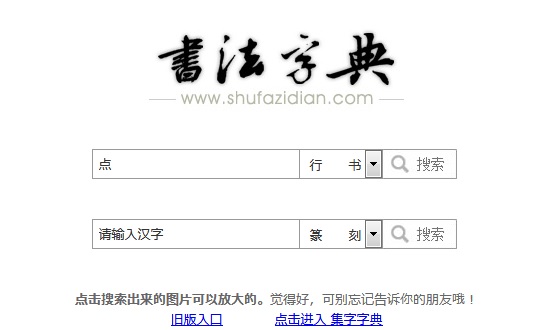
A
dictionary with various styles of Chinese characters
For
more understanding of the development of styles, please also refer to their
respective time periods in the "History
of Chinese Calligraphy" WebPages.
Free Chinese Calligraphy Dictionary
-
Input a Chinese
character, and view various styles of Chinese calligraphy