Oh-Yang Sheun 歐 陽 詢 (557-641)
|
Chronicle 年表 |
||
|
九成宮醴泉銘 |
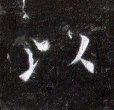
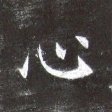
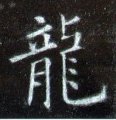
皇甫誕碑 |
化度寺碑 |
|
Methodologies 歐陽詢三十六法 |
Updated: 2012-03-31 (under construction)
Widely considered the best Kai Shu master in the Tang Dynasty and one of the most important calligraphers in Chinese history, He was born in Ling-Shian of Tan County (today's Chang-Sha of Hunan Province), to a family of government officials. He served at the Sui Dynasty's court as a top scholar in one of the classics. Later when the Sui Dynasty was overthrown by Lee Yuan ( 李淵 ), Oh-Yang was honored as a great scholar in the succeeding Tang Dynasty. Along with Yu Shi-Nan, Chu Sui-Liang, and Shei Jee, he was one of the four calligraphy masters of the early Tang Dynasty. His disciplined and compact styles of writing marked the maturity of the Regular Script (i.e., Kai Shu.)
When traveling one day, Oh-Yang was amazed by the profound beauty of Suo Jin's calligraphy engraved on a stele. He was deeply obsessed by the great beauty of the work so he decided to sleep by the stele. For three days and nights, he carefully studied Suo Jin's calligraphy and made a rubbing. (Paintings of Oh-Yang Sleeping And Studying By A Stele of Suo Jin - to be posted in the future)
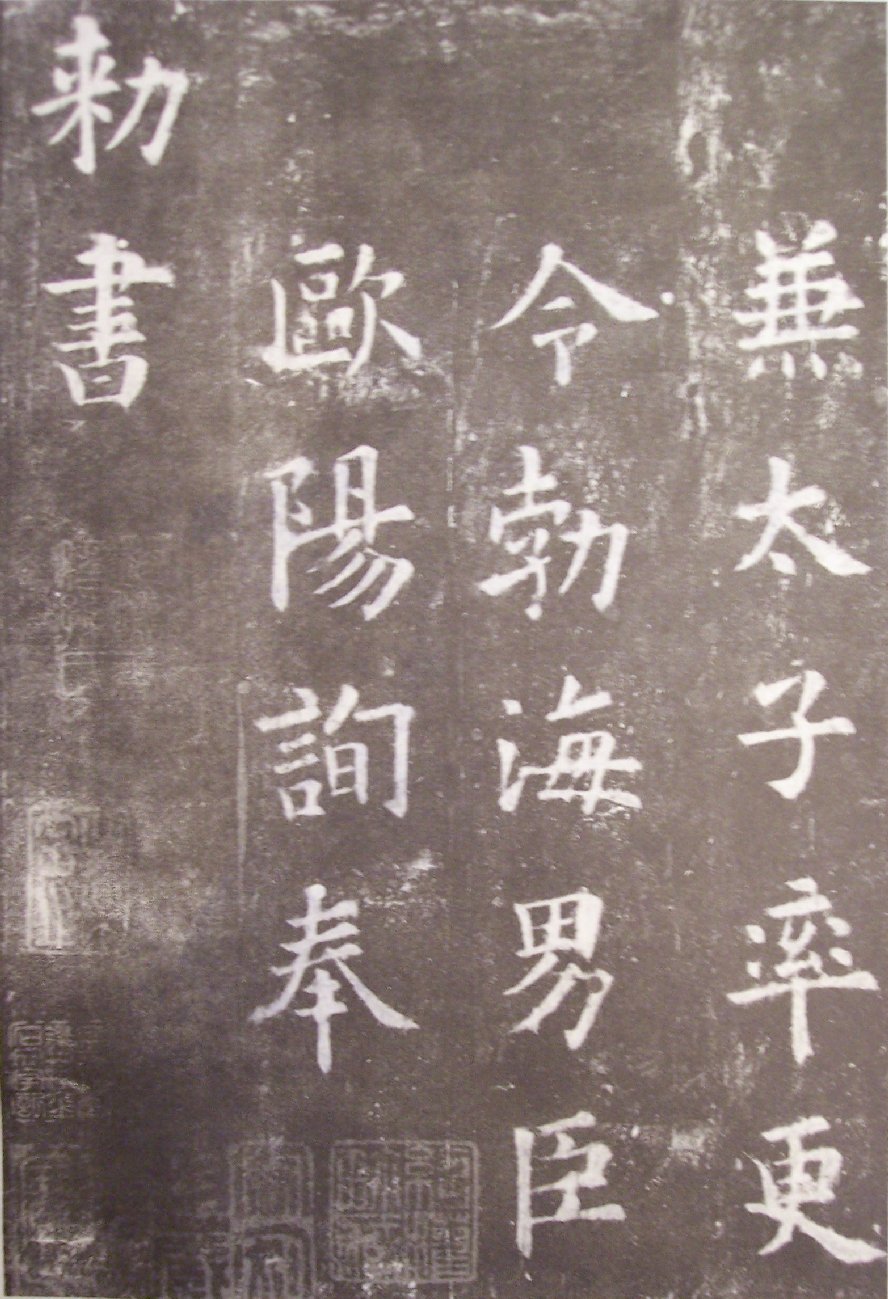
At the age of 85, Oh-Yang was knighted by Emperor Tai Zong as Baron of Bo Hai ( 渤海男 ). (Map of Bohai Sea: http://zh.wikipedia.org/w/index.php?title=Image:Bohai_Sea_map.png&variant=zh-tw) His fame as a calligrapher reached beyond the seas as envoys of Korea came to the Tang Dynasty's court to obtain his work.
Oh-Yang's
signature and title of Baron of Bo Hai ( 渤海男 ) in the
ending part
of "Jio Cheng Gong Li Chuan Ming," ordained by the Emperor.
Oh-Yang left a number of masterpieces engraved on commemorative stone tablets and those work has remained to be excellent models for practice and emulation over 1,000 years. Their influences on later calligraphers are indisputable. Even the great calligrapher Yen Jen-Ching had studied Oh-Yang's styles diligently before he invented his style which later impacted greatly on Liu Gong-Chuan. Since then, most calligraphy students start learning Kai Shu by choosing either styles of Oh-Yang, Yen, or Liu.
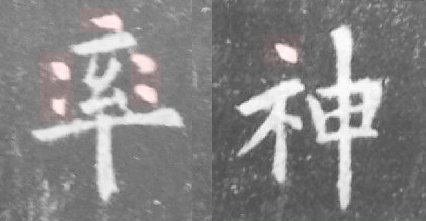
The most characteristic aspects of Oh-Yang's calligraphy are s , d, erroborating, and precipitous (險勁).
|
Oh-Yang's famous works include: |
|||
|
Title |
九成宮醴泉銘 |
|
|
|
Year & His Age |
|
|
|
|
|
|
in praise of a particularly excellent spring |
|
|
皇甫誕碑 |
|
|
Huang-Fu Dan was a high-ranking official of the Sui Dynasty |
|
|
|
|
|
|
|
|
|
|
|
Stone Tablet for the Hua-Du Monastery "Hua Du Si Bei" |
|
|
Discovered by the late Sir Aurel Stein; many damaged and missing characters; earliest rubbing dated back to the Sung Dynasty |
|
|
|
|
|
|
Oh-Yang's famous works include: |
||||
|
Title |
Year |
|
Free Download |
|
|
|
|
|
|
|
|
九成宮醴泉銘 |
632 |
|
|
in praise of a particularly excellent spring |
|
皇甫誕碑 |
|
|
|
Huang-Fu Dan was a high-ranking official of the Sui Dynasty |
|
|
|
|
|
|
|
|
|
|
|
|
|
Stone Tablet for the Hua-Du Monastery "Hua Du Si Bei" |
|
|
|
Discovered by the late Sir Aurel Stein; many damaged and missing characters; earliest rubbing dated back to the Sung Dynasty |
|
|
|
|
|
|
He was a talented and learned man who read widely in the classics. He served under the Sui Dynasty in 611 as Imperial
Doctor (太常博士). He served under the Tang Dynasty as censor and scholar at the
Hong-Wen Academy (弘文館). There he taught calligraphy. He was
one of the principal contributors to the Compilation And Categorization Of
Literatures And Articles (藝文類聚,
"Yi Wen Lei Ju").
Oh-Yang Sheun's son, Oh-Yang Tung (歐陽通), was also a renowned calligrapher. His style resembled those of his father's.
>>>>>>>>>>>>>>>>>
He became the Imperial Calligrapher and inscribed several major imperial steles. He was considered a cultured scholar and a government official.
Born in a rich and powerful family, Ouyang Xun was a court official in charge of rite in Sui dynasty and an instructor in Imperial Academy of Tang dynasty.
歐陽詢﹐字信本﹐潭州臨湘(今湖南省長沙市)人。自幼敏悟﹐長大後博通經史﹐在隋時書法就很有名﹐曾任太常博士。唐高祖即位﹐官給事中﹐與裴矩﹑陳叔達共同編纂《藝文類聚》。唐太宗時歷任太子率更令﹑弘文館學士﹐封渤海男。
他與虞世南﹑褚遂良﹑薛稷並稱為“初唐四家"﹐他的書體稱為“歐體”。
歐陽詢書法遠承魏﹑晉﹐在六朝樸茂峻整的基礎上創造了自己的風格面貌。他用筆從古隸中出﹐所以能凝重沉著﹐轉折處乾淨利落﹔結體緊結﹐方正渾穆﹐有一種極為森嚴的氣度﹐而在雍容大度中﹐又有險勁之趣。歐書的特色可用“險勁”二字來概括。歐陽詢的書名在當時已遠播國外。
流傳至今傳為歐陽詢的墨跡有《卜商帖》﹑《張翰帖》﹑《夢奠帖》和行書《千字文》等。其中《夢奠帖》結體富於變化﹐最能表現出歐書勁險刻厲﹑矛戟森列的特色。歐陽詢所書碑刻傳世的有﹕
《九成宮醴泉銘》﹐碑立於貞觀六年(632)﹐為他晚年奉敕書寫。碑字高華莊重﹐法度森嚴﹐用筆剛勁﹐纖濃得中﹐寓險峭於平正之中﹐成為學習書法的楷模。
《皇甫誕碑》﹐立於貞觀初年﹐筆畫瘦硬﹐字呈長方﹐在結體取勢中﹐充分發揮歐書的險峭的本色。
《化度寺邕禪師塔銘》﹐立於貞觀五年﹐是歐陽詢晚年得意的作品。字小於歐書其他碑石﹐書法靜穆渾厚﹐嚴密秀腴﹐在精整險勁中別具風貌。原石早已損佚﹐在宋代就有許多翻刻本﹐敦煌莫高窟藏經洞發現的殘本﹐亦有人認為是早期的翻刻本。
《虞恭公溫彥博碑》﹐立於貞觀十一年。這時歐陽詢已80歲﹐但書法仍見功力。碑雖漫漶﹐從完好的字中仍可窺見謹嚴精勁的特點。
歐陽詢隸書碑刻有《宗聖觀記碑》﹑《房彥謙碑》等。
《房彥謙碑》書法介於隸楷之間﹐緊健峭厲﹐有晉碑的風貌﹐可見歐楷的淵源。
相傳歐陽詢臨有《蘭亭序》﹐流傳的定武本《蘭亭序》﹐是根據歐臨本上石的。
傳為歐陽詢的小楷有《心經》﹑《九歌》﹑《千字文》等﹐但流傳後世的搨本﹐真偽很難確定。
《化度寺邕禪師塔銘》
歐陽詢兒子歐陽通﹐字通師﹐書法學習父親﹐稱小歐﹐險勁橫軼﹐往往突過他的父親﹐但缺少歐陽詢方正渾穆﹑雍容大度的風貌。傳世作品有《道因法師碑》和《泉男生墓誌》。
[This is the answer to the question.]
|
免費下載 Free Download (login required) |
|
|
|
http://www.sf108.com/bbs |
|
|
|
http://www.sf108.com/bbs |
九宮格套印 |
On
graph paper - for |
|
http://www.sf108.com/bbs |
局部 |
partial |
[This is the answer to the question.]
[This is the answer to the question.]
|
Insert YouTube Video *
|
||
|
Dot
"Dian" |
|
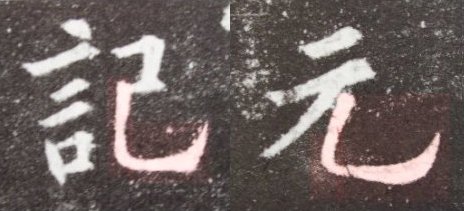
[點] 如高峰之墜石。 |
|
Vertical
& Cursive Hook |
|
[豎彎鉤] 似長空之初月。 |
|
Horizontal
"Hon" |
|
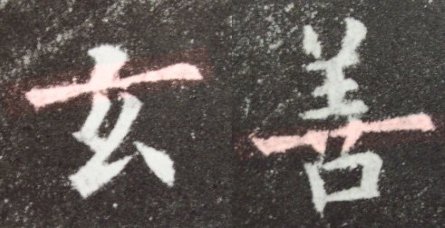
[橫] 若千里之陣雲。 |
|
Vertical
"Su" |
|
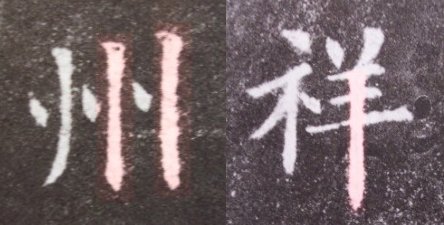
[豎] 如萬歲之枯藤。 |
|
Slant
Hook "Saie Go" |
|
[斜鉤] 勁松倒折,落掛石崖。 |
|
Bent
Hook "Hon Ze Go" |
|
[橫折鉤] 如萬鈞之弩發。 |
|
Aside
"Pe" |
|
[撇] 利劍截斷犀象之角牙。 |
|
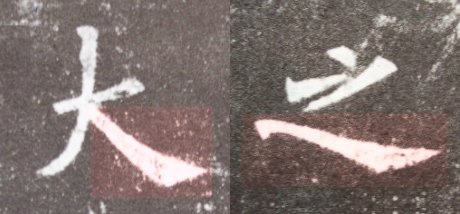
Right
Falling "Na" |
|
[捺]
一波常三過筆。 |
|
歐陽詢對楷書結構的整理貢獻頗多。相傳歐陽詢總結了有關楷書字體的結構方法共三十六條,名為“歐陽詢三十六法”,此法或多或少摻入後人所作的若干解釋或思考。 歐陽詢的的研究已擺脫了不穩定的字形的無規律性的變化,進入了造型分析的層次,書法結構的成熟觀念至此算是真正的成立。然而魏晉南北朝的書風崇尚自由,不能只用“歐陽詢三十六法”來衡量或混為一談。
Oh-Yang Sheun's Thirty-Six Methods (Presumed to be written by Oh-Yang Sheun) Oh-Yang Sheun made a great contribution of analyzing the structures of Kai Shu characters during his lifetime. The legendary story about Oh-Yang Sheun's thirty-six rules of summarizing Kai Shu characters was widespread while most scholars believe that the "Thirty-Six Rules" were somewhat modified or enhanced by different calligraphers with different interpretations. Oh-Yang's studies had evolved from the freely and somewhat unstably structured calligraphy styles that were prevalent in the Wei and Jin Dynasties. He opened a new gate to the field of analyzing characters' structures. Since then, the concept of designing characters' structures were established. However, we cannot analyze the unstrained freedom in the calligraphy styles of Wei & Jin Dynasties with his rules and methods. To find the Chinese meaning of each character, right click the picture and select "Properties." (112 x 114)
|
||||
|
三十六法名稱 |
結構方法 |
The 36 Rules |
字例 |
|
|
1. 排疊 |
字欲其排疊疏密停勻,不可或闊或狹。《八訣》所謂“分間布白",又曰“調勻點畫”是也。高宗《唱法》所謂“堆垛”亦是也。 |
Arranging or Piling Up |
|
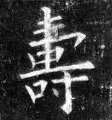
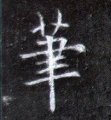
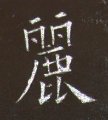
“壽”、“畫”、“竇”、“筆”、“麗”、“羸”、“爨”; “系”旁、“言”旁之類 |
|
2. 避就 |
避密就疏,避險就易,避遠就近,欲其彼此映帶得宜。 |
Avoiding And Approaching |
|
如“廬”字,上一撇既尖,下一撇不當相同;“府”字一筆向下,一筆向左;“逢”字下“捺”撥出,則上必作點,亦避重疊而就簡徑也。 |
|
3. 頂戴
|
字之承上者多,惟上重下輕者,頂戴,欲其得勢 |
|
|
如“疊”、“壘”、“藥”、“鸞”、“驚”、“鷺”、“鬐”、“聲”、“醫”之類 |
|
4. 穿插 |
字劃交錯者,欲其疏密,長短、大小勻停 |
Interlace??? |
|
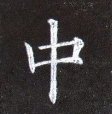
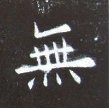
如“中”、“弗”、“井"、“曲"、“冊"、“兼"、“禹"、“爽"、“爾"、“襄"、“甬"、“耳"、“婁"、“由"、“垂"、“車"、“無"、“密"之類 |
|
5. 向背 |
字有相向者,有相背者,各有體勢,不可差錯。 |
|
|
“非"、“卯"、“好"、“知"、“和" “北"、“兆"、“肥"、“根" |
|
6. 偏側 |
字之正者固多,若有偏側、欹斜,亦當隨其字勢結體。 |
|
|
偏向右者,如“心"、“戈"、“衣"、“幾"之類 |
|
向左者,如“夕"、“朋"、“乃"、“勿"、“少"、“_"之類 |
||||
|
正如偏者,如“亥"、“女"、“丈"、“父"、“互"、“不"之類 |
||||
|
7. 相讓 |
字之左右,或多或少,須彼此相讓,方為盡善。 |
|
|
如“馬"旁、“_"旁、“鳥"旁諸字,須左邊平直,然後右邊可作字,否則妨礙不便。如“羉[上無四]"字,以中央“言"字上畫短,讓兩“_"出;如“辦"字,其中近下,讓兩“辛”出;如“鷗”、“鶠”、“馳"字,兩旁俱上狹下闊,亦當相讓;如“嗚"、“呼”字,“口”在左者,宜近上,“和"、“扣"字,“口”在右者宜近下,使不防礙,然後為佳,此類嚴也。
|
|
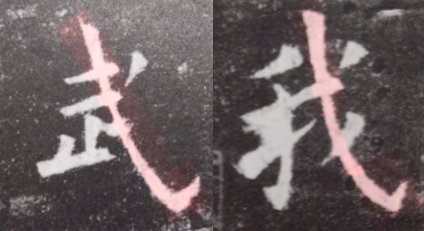
8. 挑 ??? |
|
|
|
字之形勢,有須挑;者,如“戈"、“弋"、“武"、“九"、“氣"之類;又如“獻"、“勵"、“散"、“斷"之字,左邊既多,須得右邊;之,如“省"、“炙"之類,上偏者須得下??? ,???使相稱為善。 |
|
9. 補空
|
|
|
|
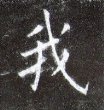
如“我”、“哉"字,作點須對左邊實處,不可與“成"、“戟”、諸“戈',字同。如“襲”、“辟',、“餐',、“贛',之類,欲其四滿方正也,如《醴泉銘》“建"字是也。 |
|
10. 覆蓋 |
|
|
|
如“寶”、“容”之類,點須正,畫須圓明,不宜相著,上長下短。 |
|
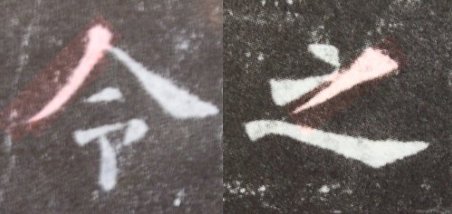
11. 貼零
|
|
|
|
如“令"、“今"、“冬"、“寒"之類是也。 |
|
12. 粘合 |
字之本相離開者,即欲粘合,使相著顧揖乃佳, |
|
|
如諸偏旁字“臥”、“鑒”、“非”、“門”之類是也。 |
|
13. 捷速
|
|
|
|
如“鳳"、“風”之類,兩邊速宜圓;, 用筆時左邊勢宜疾,背筆時意中如電是也。 |
|
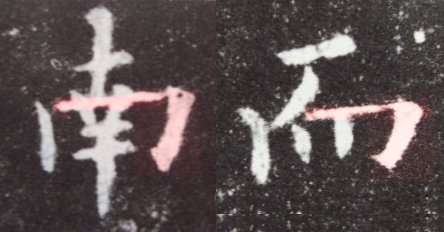
14. 滿不要虛 |
|
Full Yet Not Empty |
|
如“園"、“圃”、“圖"、“國”、“回"、“包"、“南”、“隔”、“目”、“四"、“勾”之類是也。 |
|
15. 意連
|
|
Implied Connection ??? |
|
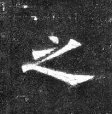
字有形斷而意連者,如“之”、“以"、“心"、“必”、“小”、“川"、“州”、“水”、“求"之類是也。 |
|
16. 覆冒 |
字之上大者,必覆冒其下 |
|
|
,如“雲"頭、“穴"、“_”、“榮字頭”頭,“奢”、“金"、“食"、“_”、“巷”、“泰”之類是也。 |
|
17. 垂曳 |
|
|
|
垂如“都”、“鄉”、“卿”、“卯”、“_"之類 |
|
|
曳如“水"、“支”、“欠"、“皮"、“更”、“_”、“走"、“民”、“也"之類是也。 |
|||
|
18. 借換
|
如《醴泉銘》“祕”字就“示”字右點,作“必"字左點,此借換也。《黃庭經》“;”字,“;”字,亦借換也。又如“靈,,字,法帖中或作“;”、或作“小",亦借換也。又如“蘇”之為“_”、“秋”之為“_",“鵝”之為“;[上我下鳥]”,為“;[左鳥右我]”之類,為其字難結體,故互換如此,亦借換也,所謂東映西帶是也。 |
|
|
|
|
19. 增減
|
字有難結體者,或因筆畫少而增添,如“新"之為“;”、“建”之為“;”,是也。 |
|
|
|
|
或因筆劃多而減省,如“曹"之為“;”、“美”之為“;"。但欲體勢茂美,不論古字當如何書也。
|
||||
|
20. 應副
|
字之點劃稀少者,欲其彼此相映帶,故必得應副相稱而後可。 |
|
|
如“龍”、“詩"、“讎”、“轉”之類,必一劃對一劃,相應亦相副也。 |
|
21. 撐拄
|
字之獨立者,必得撐拄,然後勁可觀。 |
|
|
如“可"、“下”、“永"、“亨"、“亭"、“宁"、“丁”、“手"、“司"、“卉',、“草"、“矛”、“巾”、“千”、“予”、“于”、“弓”之類是也。 |
|
22. 朝揖
|
凡字之有偏旁者,皆欲相顧,兩文成字者為多 |
Bowing To Each Other |
|
如“鄒”、“謝”、“鋤”、“儲”之類 |
| 與三體成字者,若“讎”、“斑”之類,尤欲相朝揖,《八訣》所謂迎相顧揖是也。
|
||||
|
23. 救應
|
凡作字,一筆才落,便當思第二、三筆如何救應,如何結裹,《書法》所謂意在筆先,文向思後是也。 |
|
|
|
|
24. 附離
|
字之形體,有宜相附近者,不可相離 |
|
|
如“形”、“影”、“飛"、“起”、“超”、“飲”、“勉”,凡有“文”、“欠”、“支"旁者之類,以小附大,以少附多是也。 |
|
25. 回抱
|
回抱向左者如“曷"、“丐"、“易"、“;"之類,
|
|
|
|
| 向右者如“艮"、“鬼"、“包"、“旭”、“它"之類是也。 | ||||
|
26. 包裹
|
如“園"、“圃”打圈之類四圍包裹者也 |
|
|
|
| “向"、“尚",上包下 | ||||
| “幽"、“凶"、下包上 | ||||
| “匱”、“匡",左包右 | ||||
| “旬"、“匈",右包左 | ||||
|
27. 卻好
|
謂其包裹斗湊不致失勢,結束停當,皆得其宜也。 |
|
|
|
|
28. 小成大
|
字以大成小者,如“門",“_”下大者是也。 |
|
|
|
|
以小成大,則字之成形及其小字,故謂之小成大,如“孤"字只在末後一“\[捺]",“宁”字只在末後一“]",“欠”字一拔,“戈"字一點之類是也。 |
||||
|
29. 小大成形
|
謂小字大字各字有形勢也。 東坡先生曰:大字難于結密而無間,小字難于寬綽而有余,若能大字結密,小字寬綽,則盡善盡美矣。 |
|
|
|
|
30. 小大大小
|
《書法》曰,大字促令小,小字放令大,自然寬猛得宜。譬如“日"字之小,難與“國"字同大,如“一"字“二"字之疏,亦欲字劃與密者相間,必當思所以位置排布,令相映帶得宜,然後為上。或曰:“謂上小下大,上大下小,欲其相稱。"亦一說也。 |
|
|
|
|
31. 左小右大
|
此一節乃字之病,左右大小,欲其相停,人之結字,易于左小而右大,故此與下二節,著其病也。 |
|
|
|
|
32. 左高右低 左短右長
|
此二節皆字之病。不可左高右低,是謂單肩。左短右長,《八訣》所謂勿令左短右長是也。
|
|
|
|
|
33. 褊
|
學歐書者易于作字狹長,故此法欲其結束整齊,收斂緊密,排疊次第,則有老氣,《書譜》所謂密為老氣,此所以貴為褊也。 |
|
|
|
|
34. 各自成形
|
凡寫字欲其合而為一亦好,分而異體亦好,由其能各自成形故也。至于疏密大小,長短闊狹亦然,要當消詳也。 |
|
|
|
|
35. 相管領
|
欲其彼此顧盼,不失位置,上欲覆下,下欲承上,左右亦然。
|
|
|
|
|
36. 應接
|
字之點劃,欲其互相應接。 至于_、\[捺]、“水"、“木"、“州"、“無"之類亦然。 |
|
|
兩點者如“小"、“八"、“_"自相應接 |
| 三點者如“_"則左朝右,中朝上,右朝左 | ||||
| 四點如“然"、“無"二字,則兩旁二點相應,中間接又作_亦相應接 | ||||
|
|
|
|
|
|
|
虛拳直腕,指齊掌空,意在筆前,文向思後。 Among the various methods of holding a brush, the author eventually chose the method with the principle "Firm Fingers & Hollow Fist" which requires that almost no gaps are left between the four fingers and a large space that can be seen through the fist. This is quite in coincidence with Oh-Yang Sheun's method. Today we see many people leave large gaps between the four fingers (excluding the thumb) and a very limited space inside the fist. This in turn usually limits the freedom and momentum required in turning and fine tuning the brush tip's angles during execution of writing strokes.
分間布白,勿令偏側。 墨淡則傷神彩,絕濃必滯鋒毫。 肥則為鈍,瘦則露骨,勿使傷于軟弱,不須怒降為奇。 四面停勻,八邊具備,短長合度,粗細折中。 心眼準程,疏密欹正。 筋骨精神,隨其大小。 不可頭輕尾重,無令左短右長,斜正如人,上稱下載,東映西帶,氣宇融和,精神灑落。 省此微言,孰為不可也。 |
Brainstorming questions:
1. If Yeng Jen-Ching was born before Oh-Yang Sheun, what will Oh's styles look like?
2. If Wang Hsi-Chih was born after Oh-Yang Sheun, what would the Calligrapher-Sage's styles look like?